

-
Date 17 апреля, 2026
-
Author admin
-
Category Manufacturing
Smart manufacturing uses advanced technologies such as automation, data analytics, connected machines, and artificial intelligence to optimize production processes. By integrating digital systems with traditional manufacturing operations, companies can monitor production in real time.
By integrating digital systems with traditional manufacturing operations, companies can monitor production in real time, reduce errors, and make faster, data-driven decisions. This transformation helps manufacturers operate more efficiently while maintaining high product quality.
One of the main advantages of smart manufacturing is real-time monitoring. Sensors and connected devices allowing us to track performance and detect potential issues before they become major problems.
Improves Resource Management
Smart manufacturing also improves resource management. Data analytics helps companies optimize material usage, energy consumption, and production scheduling.
Improved Decision-Making
Finally, improved decision-making plays a key role. With access to real-time production data, managers can quickly adjust workflows, balance workloads across machines, and respond to market demands faster.
A successful business consultation is not just about analyzing challenges—it’s about transforming insight into clear strategies and decisive action that drive measurable, long-term growth.
John Bradman, CEO
One of the main advantages of smart manufacturing is real-time monitoring. Sensors and connected devices collect data from machines, allowing engineers to track performance and detect potential issues before they become major problems.
By integrating digital systems with traditional manufacturing operations, companies can monitor production in real time, reduce errors, and make faster, data-driven decisions. This transformation helps manufacturers operate more efficiently while maintaining high product quality.
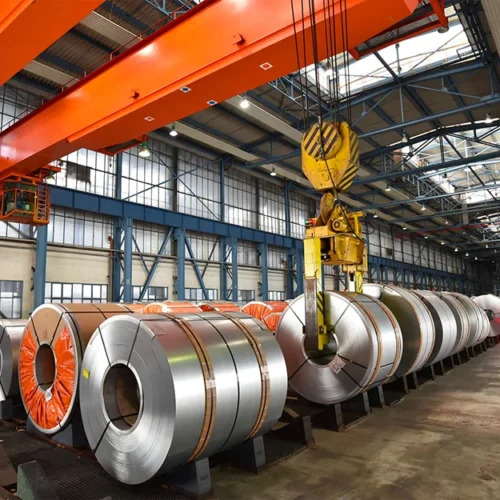
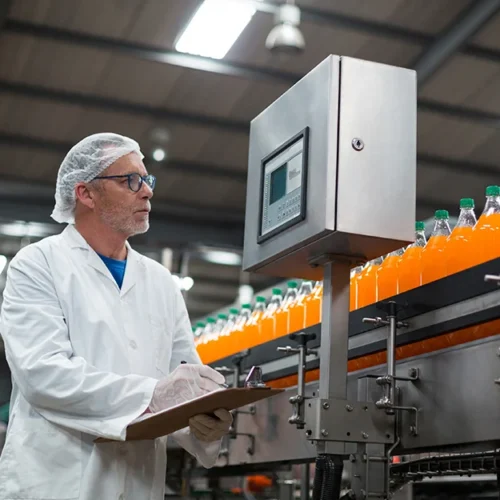
In addition, data-driven decision making allows companies to continuously improve their operations. Advanced analytics tools help identify patterns, production bottlenecks, and performance trends. With this insight, manufacturers can refine their processes, adopt new technologies, and implement strategies that enhance long-term efficiency.
Ultimately, smart manufacturing creates a more connected and intelligent production environment. By combining automation, digital monitoring, predictive maintenance, and advanced analytics, manufacturers can achieve higher productivity, improved quality control, and stronger competitiveness in the global industrial market.
